The Struggle We All Know
Maybe you know the feeling: your mind won’t stop racing, your heart feels tight, or you can’t relax even when you finally get a moment to rest. You keep pushing through, hoping life will feel lighter, but the stress never really lets up.
You’re not broken. Sometimes the nervous system gets caught in a pattern of staying alert long after the stress has passed. It’s wired to protect you, but when it doesn’t get the message that you’re safe, it leaves you in a state of “always on.”
It can feel like a fire alarm that won’t stop ringing, a background hum of tension that never quite goes silent.
The Discovery: Meet the Vagus Nerve
The vagus nerve is the longest cranial nerve in the body, running from the brainstem through the throat, heart, lungs, and digestive system. It’s the main messenger of the parasympathetic nervous system, the part of you designed to rest, digest, and recover.
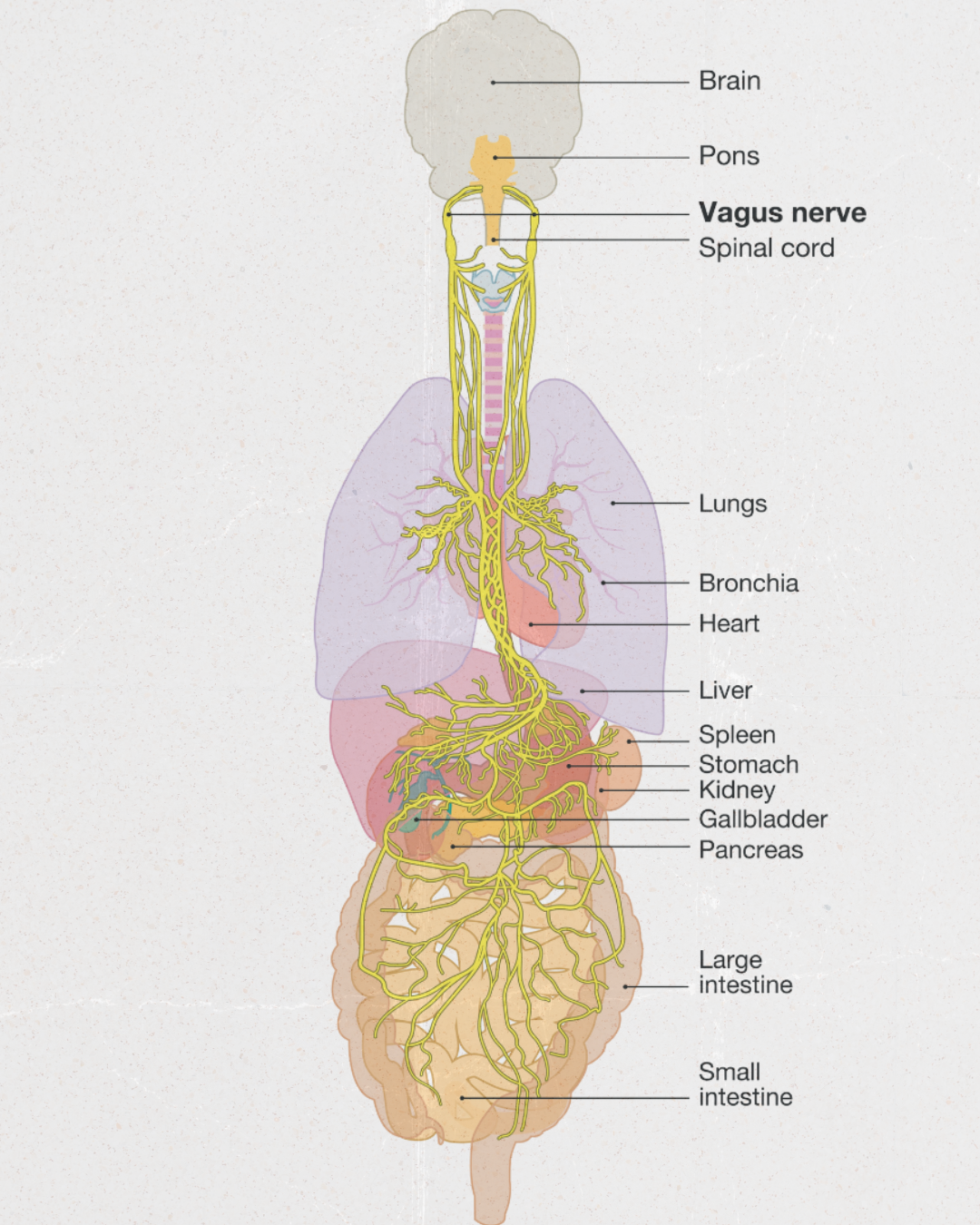
When your vagus nerve is strong and flexible, you can move through stress and return to balance more easily. When it’s weak or underactive, stress lingers, digestion slows, sleep suffers, and resilience fades.
Scientists call this vagal tone, your nervous system’s ability to recover. The higher your vagal tone, the steadier you feel inside and out.
Why This Matters for Everyday Life

Strengthening the vagus changes how you live. A responsive vagus nerve can:
- Calm stress and anxiety
- Support digestion and gut health
- Strengthen immunity
- Improve sleep
- Boost focus, memory, and mood
- Expand your capacity to connect with others
It helps you meet life with steadiness instead of being tossed around by every stressor, giving you the capacity to stay grounded and steady even when challenges arise.
A Few Simple Ways to Feel It Now
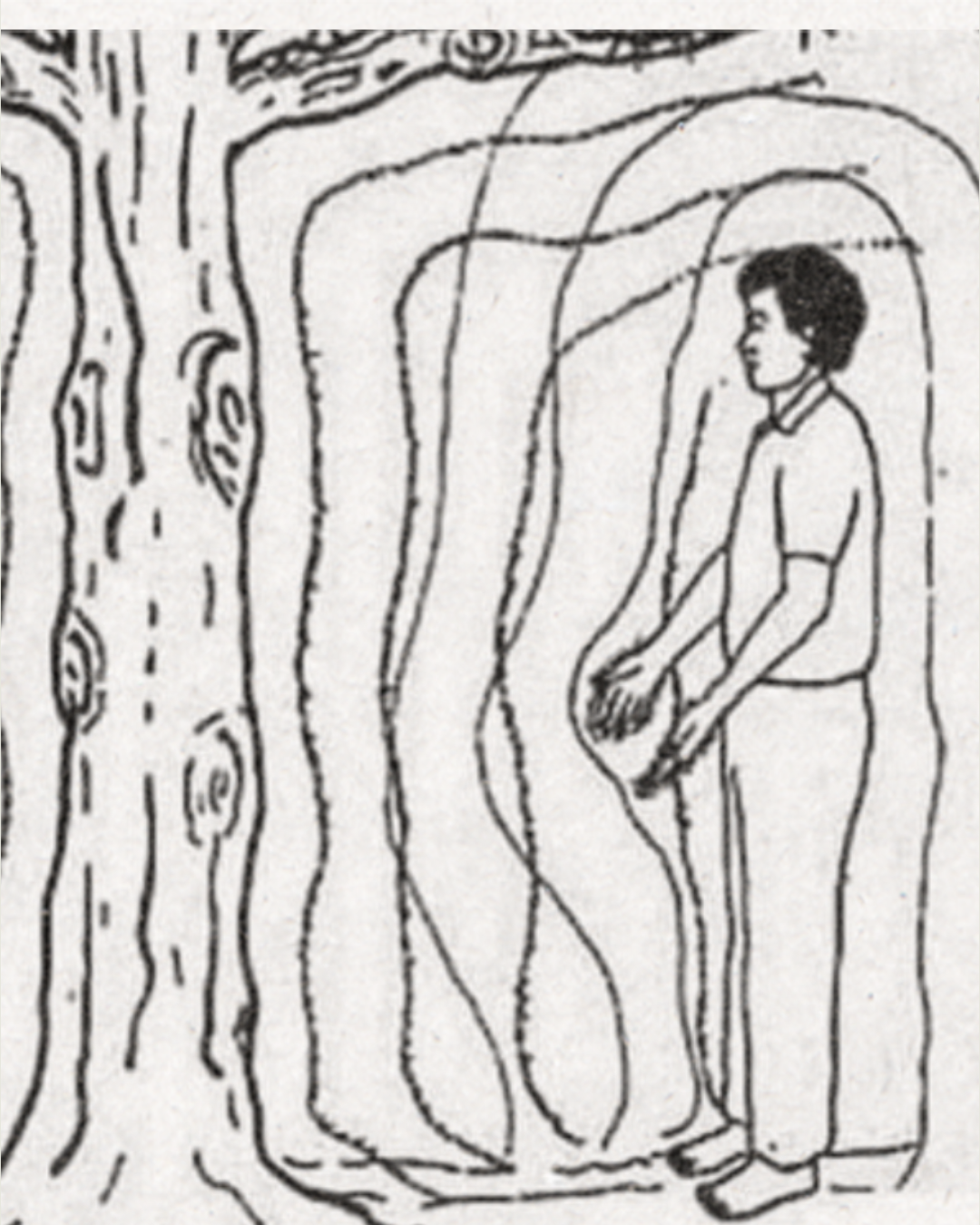
Here are three easy practices you can try today to feel the difference:
- Humming Breath
Inhale gently through your nose. Exhale with a soft hum, letting your chest and throat vibrate. Try this for 1–2 minutes.
Why it works: Vibration stimulates vagus nerve branches in the throat and chest. - Slow Gaze Shifts
Keep your head still. Move your eyes far to the right and hold for 20 seconds, then return to center. Repeat to the left.
Why it works: These simple drills engage cranial nerves linked with the vagus and often trigger subtle signs of calm (sighs, swallows, or yawns). - Lengthened Exhale
Inhale for a count of 4. Exhale slowly for a count of 6–8. Repeat 5 rounds.
Why it works: Longer exhalations activate vagal pathways that slow the heart and soothe the system.
These simple practices offer a glimpse of what’s possible and can help you feel a shift right away.
From Stuck in Stress to Finding Your Way Back

It’s easy to get caught in the cycle — stress, fatigue, pushing through, then wondering why you still feel so off. The truth is, resilience isn’t about bracing harder. It’s about learning how to guide your nervous system back to balance.
The vagus nerve is your built-in pathway for that shift. When you learn how to strengthen and tone it, everything begins to change: stress feels more manageable, digestion and sleep improve, and daily life takes on a lighter quality.
Want to Go Deeper?
If you’re ready to learn practical, life-changing tools, join me for The Nervous System Reset, a 2-hour workshop where we’ll explore the vagus nerve in depth and practice techniques you can use every day.
You’ll leave not only with knowledge, but with a toolkit to help you feel calmer, clearer, and more resilient.
[Register here for The Nervous System Reset — October 5, 2–4 pm]